How Roof Replacement in Succasunna, NJ Helps Prevent Mold and Moisture Issues
@troytcmh042
November 5, 2026 · 15 min read
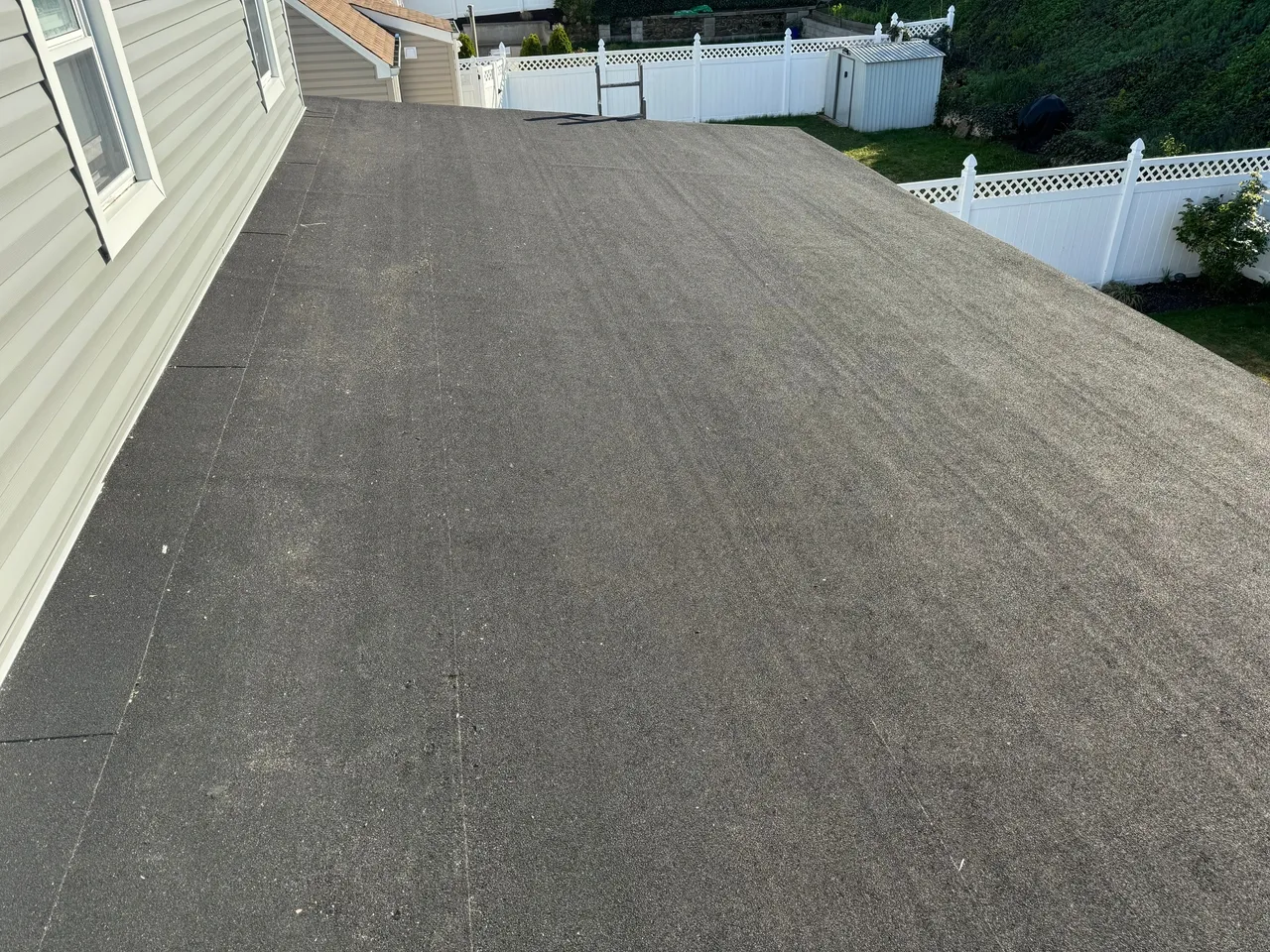
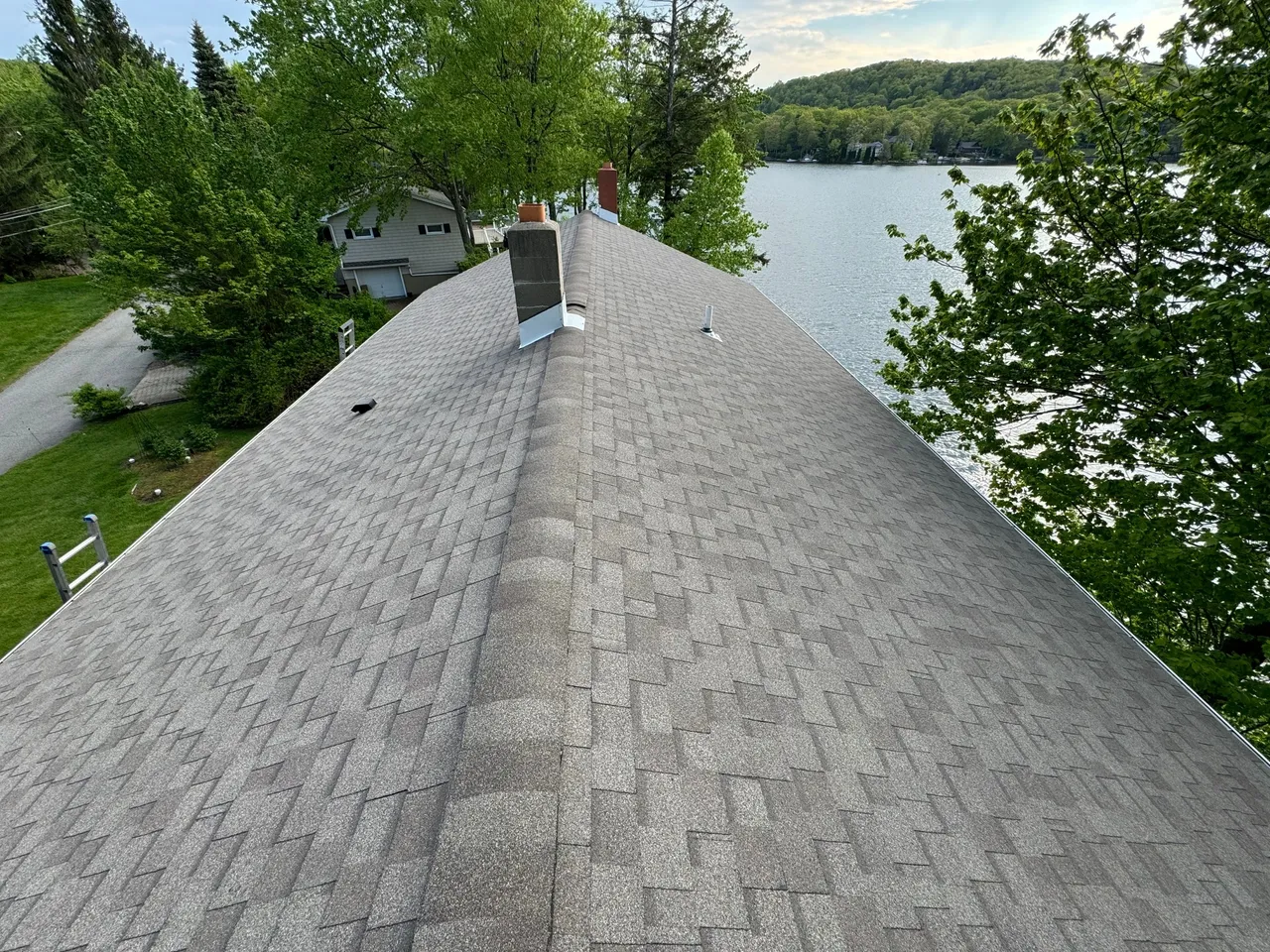
A roof does far more than keep rain off the furniture. In a place like Succasunna, where homes see humid summers, cold winters, wind-driven rain, and freeze-thaw cycles, the roof is part of a larger moisture Roof Replacement Succasunna, NJ control system. When that system starts to fail, the first signs are often subtle. A faint stain near a ceiling corner. A musty smell in an upstairs closet. Paint that bubbles for no obvious reason. By the time mold is visible, moisture has usually been moving through the house for a while.
That is why roof replacement is not only about appearance or resale value. In many cases, it is one of the most effective ways to stop chronic dampness before it becomes a health concern or a structural repair. Homeowners looking into Roof Replacement Succasunna, NJ services are often focused on shingles, cost, and timing. Those things matter, but the hidden benefit is just as important. A properly designed and properly installed new roof can interrupt the conditions mold needs to thrive.
Moisture problems rarely start where people think
Most homeowners associate mold with flooded basements, broken pipes, or bathrooms with poor ventilation. Those are common causes, but roof-related moisture is often overlooked because it can move in unpredictable ways. Water does not always drip straight down from the point of entry. It can follow roof decking, rafters, insulation, plumbing penetrations, or wall cavities before showing up somewhere else entirely.
I have seen homes where the ceiling stain appeared over a dining room chandelier, while the actual roof failure sat several feet uphill near a flashing joint. I have also seen attics with no obvious leak marks but widespread dark spotting on sheathing, caused not by bulk water from a storm, but by years of trapped humidity and poor ventilation. Both situations can lead to mold. Both are tied to the roof system.
This matters in older neighborhoods and in houses that have already had one or two rounds of repairs. A patch can stop a visible drip, but if the underlying roof assembly is near the end of its service life, moisture may keep finding a way in. Shingles curl, flashing separates, nail seals fail, underlayment ages out, and ventilation details that were common years ago no longer perform well enough under current conditions.
Why Succasunna homes are vulnerable to roof-related moisture
North Jersey weather puts real stress on roofing materials. Succasunna gets a mix that is hard on aging systems. Summer brings heat and humidity. Winter brings snow loads, ice potential, and repeated freezing and thawing. Spring and fall often deliver long stretches of rain, not just dramatic storms. It is that repeated wetting and drying, combined with temperature swings, that exposes weaknesses.
A roof in this climate has to do several jobs at once. It must shed water quickly, resist wind uplift, allow the attic to breathe correctly, and limit condensation when indoor air meets cold surfaces. If one part of that balance is off, moisture can build up even when there is no dramatic roof failure.
Homes with older insulation or inconsistent air sealing are particularly susceptible. Warm indoor air naturally rises. If that air leaks into the attic during winter and meets cold roof decking, condensation can form. It is the same basic principle as a cold drink sweating on a summer day. Over time, that recurring condensation can dampen wood, compress insulation, and support mold growth on framing or sheathing.
Mold needs only a few ingredients
Mold does not need standing water or a major leak. It needs moisture, an organic surface, and enough time. Your attic provides all three if the roof system is compromised. Roof decking, framing lumber, paper-backed drywall, dust, and insulation facings can all serve as food sources. Add persistent humidity or intermittent leaks, and the environment becomes ideal.
The reason roof replacement can help so much is that it addresses the full assembly rather than a single symptom. A sound replacement project can remove deteriorated materials, expose hidden water damage, upgrade underlayments, correct flashing details, and improve ventilation pathways. That combination changes the moisture dynamics of the home.
The hidden pathways where old roofs let moisture in
People often picture roof leaks as broken shingles or storm damage. Those are obvious failure points, but older roofs tend to leak through details. The problem areas are usually transitions and penetrations, places where one material meets another or where something passes through the roof plane.
Chimney flashing is a classic example. Masonry expands and contracts differently than roofing materials. Mortar joints age. Counterflashing can loosen. The leak may be small, but a slow leak around a chimney can wet roof decking and insulation for months before anyone notices.
Plumbing vent boots are another frequent source. The rubber collar around the pipe hardens and cracks over time. Valleys can trap debris and slow drainage. Step flashing along sidewalls can fail if siding was installed too tightly or if previous repairs relied too heavily on sealant. Roof-to-wall intersections, skylights, and dormers all require precise flashing. Once those details start breaking down, water gets access to the layers underneath.
Then there is the issue of underlayment. Older felt products can lose effectiveness with age, particularly if the roof has been exposed to repeated moisture events. When a roof replacement is done correctly, the new system is not simply a fresh layer of shingles. It is a chance to rebuild these vulnerable zones with better water management.
Roof replacement does more than stop rain
One of the biggest misconceptions in residential roofing is that replacement is only necessary when water is visibly entering living space. In reality, many roofs are creating moisture problems long before the ceiling leaks. A complete replacement can correct both liquid water intrusion and vapor-related issues.
When contractors tear off the old roof, they can inspect the decking. This is one of the few moments when hidden deterioration is fully visible. Soft spots, delamination, mold staining, and prior patchwork all become clear. Damaged sections can be replaced rather than covered up. That alone can make a major difference, because mold often grows on the underside of roof decking where homeowners never see it.
A quality replacement also introduces a fresh moisture barrier strategy. Modern synthetic underlayments generally handle incidental water better than older materials. Ice and water protection can be installed in vulnerable areas such as eaves, valleys, and penetrations, depending on the roof design and local code requirements. New flashing at walls, chimneys, and vents creates cleaner drainage paths. The result is not just a prettier roof. It is a tighter, more reliable shell.
Ventilation is where many moisture problems are won or lost
If there is one topic that deserves more attention during Roof Replacement Succasunna, NJ projects, it is attic ventilation. Many mold issues tied to roofs are not caused by rain leaks alone. They come from trapped heat and humidity.
A well-performing attic ventilation system typically balances intake and exhaust. Outside air enters low, often at the soffits, and exits high, usually at or near the ridge. That steady movement helps remove warm, moist air before it condenses on cooler surfaces. When the system is unbalanced, blocked, or undersized, moisture tends to linger.
I have walked into attics where ridge vents were present but the soffit vents were packed with insulation, which meant the system could not actually draw air. I have seen bathroom fans vented into the attic instead of outdoors, a mistake that introduces large amounts of moisture right where you do not want it. I have also seen homes with multiple power fans and inconsistent venting patterns that created pressure imbalances rather than solving the problem.
During roof replacement, these issues can be corrected in a coordinated way. That may mean adjusting vent layout, opening blocked intake areas, replacing damaged baffles, or rethinking how the attic breathes as a system. Good contractors do not treat ventilation as an afterthought. They evaluate it because they know moisture control depends on it.
When replacement makes more sense than repeated repairs
Not every roof problem calls for a full replacement. A relatively new roof with isolated storm damage may be a good candidate for repair. But there is a tipping point where continuing to patch becomes more expensive and less effective.
That tipping point often shows up when moisture symptoms keep returning. Maybe a stain was repaired two years ago and now a different section of the upstairs ceiling shows discoloration. Maybe the attic smell comes back every summer. Maybe one contractor sealed a vent boot, another replaced a few shingles, and a third suggested adding more insulation, yet the sheathing still shows mildew-like spotting.
In those cases, the house is telling you the problem is systemic. The roof assembly is no longer performing as a whole. A full replacement allows the contractor to address the entire chain of moisture movement, not just whichever point is easiest to reach from a ladder that day.
A few signs often suggest replacement deserves serious consideration:
- recurring ceiling stains or attic dampness after past repairs
- shingles that are curling, brittle, missing, or shedding granules heavily
- visible mold or dark staining on attic sheathing or rafters
- chronic ice damming near eaves in winter
- flashing details that have been patched multiple times
The attic tells the real story
If moisture and mold are the concern, the attic is often more revealing than the roof surface from the ground. Homeowners understandably focus on what they can see from the yard, but attic inspection often provides the clearest evidence of whether replacement is warranted.
A dry, healthy attic usually smells neutral. Insulation stays fluffy rather than flattened or crusted. Sheathing remains solid and relatively consistent in color, aside from normal age variation. Nails that penetrate through the roof deck may show minor surface oxidation, but they should not be dripping or heavily frosted under normal conditions.
By contrast, a problem attic may have blackened spots on wood, rusty fasteners, matted insulation, water marks around penetrations, or a stale odor that hangs in the air. On cold mornings, you may even find frost on the underside of the deck if indoor air is escaping upward and condensing. When that frost melts, it wets the attic again. Homeowners sometimes mistake that moisture for a roof leak when it is actually a ventilation and air-sealing issue tied to the roof assembly.
A thorough replacement project can reveal which of those conditions stem from active leaks and which come from condensation. That distinction matters, because the solutions differ. The point is not to guess. It is to expose the system and correct the causes.
Material choices can influence moisture performance
The visible roofing material gets most of the attention, but moisture resistance depends on the whole package. Shingles are only one layer. Underlayments, flashing metals, sealants, ridge components, vent boots, and ice barrier membranes all contribute to performance.
Architectural asphalt shingles remain common for good reason. They offer reliable water shedding when installed properly and matched to the roof slope and local exposure conditions. Metal roofing can also perform very well, especially on certain roof designs, but the details matter immensely. Fastener placement, seam design, underlayment selection, and condensation control must all be handled correctly.
No material is mold-proof if the assembly below it traps moisture. That is worth repeating. Premium shingles cannot compensate for poor flashing or a suffocating attic. Likewise, a modestly priced shingle can perform very well if the installation quality is high and the ventilation is right.
That is one reason homeowners should be cautious about decisions based solely on product brochures or color samples. The workmanship and the system design have more to do with mold prevention than the marketing language on the wrapper.
Why small leaks become large indoor air problems
When moisture enters the roof system, the damage is not always limited to wood rot or drywall stains. Mold growth in the attic can affect indoor air quality, especially if air leakage pathways connect the attic to living spaces below. Recessed lights, attic hatches, wiring penetrations, and duct openings can all allow air exchange.
That connection is often underestimated. People assume the attic is separate from the house, but in many homes it is not truly isolated. If mold colonies develop on sheathing or framing, spores and musty odors can find their way into bedrooms and hallways. Occupants may notice symptoms such as irritation, headaches, or persistent stale smells, though those symptoms can have multiple causes and should not be oversimplified.
The practical point is that roof replacement can be part of an indoor health strategy when moisture is involved. By stopping the water source and improving drying potential, it reduces the chance that the attic becomes a reservoir for mold growth.
What to ask before hiring for Roof Replacement Succasunna, NJ
Not all roof estimates are equal, even when the shingle brand appears similar on paper. If mold and moisture prevention are priorities, the conversation should go beyond square footage and color choice. Homeowners benefit from asking how the contractor plans to assess decking condition, flashing details, intake and exhaust ventilation, and signs of past condensation.
It is also wise to ask how damaged sheathing will be handled if discovered during tear-off. Some contractors include unit pricing for plywood replacement, while others treat it as a change order. Clarity up front prevents rushed decisions during the project. Ask whether bathroom and dryer vents that terminate improperly will be flagged. Ask how valleys, chimney areas, and wall intersections will be waterproofed. These are not minor details. They are often the places where moisture problems begin.
A solid contractor should be able to explain the reasoning in plain language. Not a sales pitch, not vague reassurances. Real reasoning. If they can point to airflow, drainage paths, and the condition of existing materials, that is a good sign.
Roof replacement is only one part of the moisture equation
A new roof helps tremendously, but it works best when the rest of the house is not fighting against it. If attic bypasses remain open, if exhaust fans dump indoors, or if insulation is poorly installed, some moisture issues can persist even after replacement. That does not mean the roof work was unnecessary. It means the house needs a coordinated approach.
The strongest results usually come when roof replacement is paired with basic attic and ventilation corrections. Air sealing around penetrations, ensuring bath fans vent outside, keeping soffit pathways open, and maintaining reasonable indoor humidity levels all support the new roof system. In winter, many homes benefit from keeping indoor humidity in a moderate range rather than pushing it too high for comfort. Exact targets vary with outdoor temperature and house construction, but excessive indoor humidity during cold weather often shows up first in the attic.
This is where judgment matters. Every house has its own history. A Cape with knee walls behaves differently than a broad ranch. A home with a finished attic has different risks than one with an unfinished vented space. Moisture control is not one-size-fits-all, and roof replacement should reflect that.
Timing matters more than most homeowners expect
Waiting for a catastrophic leak is usually a costly strategy. Mold remediation, insulation replacement, drywall repairs, and structural wood replacement can push the total project well beyond the price of proactive roof work. Once moisture has been present for long enough, the repair scope tends to expand.
That does not mean replacing a roof too early is always wise. There is a balance. But when a roof is clearly at the end of its useful life and the attic already shows warning signs, delaying often saves nothing. It simply allows more wetting cycles, more concealed deterioration, and a harder cleanup later.
For many homeowners in Succasunna, the practical window for roof work is driven by weather as much as budget. Spring through fall tends to be the busiest period, though qualified crews can often work effectively in cooler conditions if the project is planned carefully. The important thing is not to let recurring moisture symptoms drift into another season without evaluation.
A dry roof system protects more than the roof
When roof replacement is done well, the benefits move through the entire house. Insulation performs better when it stays dry. Wood framing lasts longer. Indoor odors improve. Paint and drywall hold up better. Heating and cooling systems do not have to compensate for damp, compromised building materials. Even storage in the attic becomes less risky.
That is the bigger picture behind Roof Replacement Succasunna, NJ projects. Homeowners often start by thinking about shingles and finish by realizing they have improved the building envelope, reduced the chance of mold, and protected the parts of the house no one sees every day. Moisture problems are frustrating because they spread quietly. The upside is that a well-executed roof replacement can stop that process at its source.
For homes showing stains, musty smells, attic spotting, or a long history of patch repairs, the roof deserves a closer look. Not as a cosmetic upgrade, but as a moisture control system. When that system is renewed properly, mold has far fewer opportunities to take hold.
Royalty Exteriors
151 NJ-10 Suite 103A, Succasunna, NJ 07876, United States
+1 973-333-7234
FAQ About Roof Replacement Succasunna, NJ
What are signs a roof needs replacing?
Widespread shingle deterioration, repeated leaks, or damaged decking can point to a larger problem. A roofer can inspect the roof covering, flashing, and deck to determine whether the damage is localized or whether replacement makes more sense.
How long does it take to reroof a 2000 square foot house?
Royalty Exteriors estimates one to three days for many single-family roof replacements. A house’s floor area does not tell you the actual roof area. Pitch, roof features, weather, and any decking repairs can change the schedule.
How long should a roof last in NJ?
There is no single lifespan for every roof. Material, installation quality, attic ventilation, maintenance, and exposure to storms all affect how long a roof remains serviceable. An inspection can help you assess its condition and plan for replacement.